
Hair & scalp care for beginners, made simple.
For healthier-looking hair, start with a comfortable scalp: shampoo where oil builds up, condition where your strands need moisture, detangle gently and protect your hair from unnecessary heat and tension. Then decide if you actually need another product.
Mary's real hair journey, an easy wash-day routine, styling tips, and honest answers about thinning, shedding, scalp serums and supplements.
 Hair & Scalp Care · The Minute With Mary library
Affiliate disclosure: Minute With Mary may earn a commission from qualifying shopping links. Check current product descriptions and follow manufacturer instructions. Products linked as shopping options have not necessarily been personally tested by Mary.
A good hair day starts with a manageable routine.
Mary's real hair journey, an easy wash-day routine, styling tips, and honest answers about thinning, shedding, scalp serums and supplements.
Find a rhythm that fits your hair.
Want a simple hair and scalp care routine? Choose a washing schedule that suits your scalp, clean gently, condition where hair needs it, reduce damage from heat and tension, and be skeptical of promises that a cosmetic serum can regrow hair. This guide explains the everyday basics, how to think about hair products and when changes in shedding deserve professional attention.
Hair has been quite a journey for me. I wrote about the day a college friend spotted my first gray hair while we were preparing to sing the national anthem at URI. Years later, in a 2021 It’s Hair Day! video, I talked about finally embracing my silver strands, cutting my hair into a pixie, growing it back out, and trying to make peace with second-day bangs. Goodness, those bangs!
What I appreciated most about that conversation was how personal a hair routine really is. I told viewers that layering too many styling products made my hair feel weighed down. Your texture, scalp, and schedule may be completely different. We’re going to start with the basics, and save the fancy extras for when they have an actual job to do. Read my original 2014 salon story, and watch the 2021 conversation below.
Explore the basics →
Start with your scalp, not the product label
Your scalp and the ends of your hair may have very different needs. A scalp that becomes oily quickly may benefit from a different wash frequency than dry, textured, tightly curled or chemically treated hair. Observe how your scalp feels, then adjust gently. Itching, pain, rash or persistent flakes need more than a product trend.
A simple hair care routine for wash day
- Detangle gently. Work patiently from the ends with a suitable tool if your hair tangles easily.
- Shampoo your scalp. Focus cleansing where oil and buildup collect; follow the product directions.
- Condition appropriate lengths. Concentrate where hair needs slip and moisture and follow the conditioner instructions.
- Dry without rough friction. Blot or wrap gently rather than aggressively rubbing with a towel.
- Style with care. Reduce unnecessary heat, use heat protection as directed and avoid tight styles that pull repeatedly at the hairline.
Mary’s practical note: The American Academy of Dermatology recommends concentrating shampoo on the scalp and adjusting conditioner placement to hair type: ends for fine or straight hair; more of the lengths for dry or curly hair. Detangling also varies: damp, conditioned curls may be easier to comb in the shower, while straight hair often benefits from drying a bit before gentle combing. The idea is less friction, pulling and breakage—not a one-size-fits-all wash day.
Mary’s hair journey: silver strands, a pixie cut and second-day bangs
There is a reason I love sharing real beauty stories: a routine has to fit the person living with it. This is an actual 2021 conversation about how my relationship with my hair changed over time.
It’s Hair Day!
In the opening minutes, I explain why I stopped covering my grays, what happened when I cut my hair short, and why I was having trouble styling my bangs after wash day. Around 7:40, we get into curly-versus-straight styling and why too much product sometimes weighed my own hair down.
From the archive: This is a relaxed 31-minute livestream; after the opening hair conversation, Mary spends much of it applying makeup. Her personal styling preferences are not a universal routine or evidence that a product treats thinning or hair loss. Other product mentions and promotions are from 2021.

My frizzy-hair salon story
Back then I wrote about humidity, years of coloring my hair and trying a keratin smoothing service in Rhode Island. These are my own photos and memories from that visit, not an endorsement of a treatment available today.
Read Mary’s original salon experience. Before booking any smoothing or straightening service now, ask the stylist about the exact formulation, ingredient list, ventilation and heat step. The FDA explains why some heat-activated smoothing products can release formaldehyde, even when salon marketing emphasizes gentleness.
How does your hair type change your routine?
| Your situation | Try paying attention to | Common mistake |
|---|---|---|
| Fine hair | Lightweight conditioning and how much product you apply | Overloading lengths with rich products |
| Curly or coily hair | Gentle detangling, moisture needs, reduced friction | Brushing roughly when dry or tangled |
| Color-treated hair | Breakage, dryness and the specific color-service advice | Stacking too many harsh treatments |
| Oily scalp | Wash frequency and scalp comfort | Assuming oil must be stripped aggressively |
| Dry or irritated scalp | Gentle products and persistent symptoms | Masking a medical issue with fragrance or oils |
Hair stories, tutorials and practical next steps.
The archive and the beauty library offer more ways to care for and style your hair.

Mary’s Keratin Salon Story
A historical firsthand experience—not a claim about today’s services or prices.
Read more →How to Do a Crown Braid
Mary’s original step-by-step braid tutorial for a styled hair day.
Read more →Explore what’s currentMary’s Current Picks
Review current product options and their directions before making a purchase.
Read more →Breakage versus shedding versus hair loss
Broken strands may be short or snapped along their lengths. Shedding involves hair falling out as part of its growth cycle, and hair loss can have several causes. If you’re suddenly shedding much more than usual, seeing round patches or noticing a receding hairline or scalp symptoms, it’s worth professional evaluation.
The American Academy of Dermatology explains shedding versus hair loss and why the distinction matters.
Do hair-growth serums actually work?
Some cosmetic serums smooth the hair, reduce friction or improve its appearance. These effects can be useful, but they don’t establish that the product regrows hair from follicles. Topical minoxidil has evidence for certain types of hair loss and is a medication with directions and limitations; a cosmetic scalp serum shouldn’t be treated as equivalent.
If you see a promising hair-growth claim, first ask whether a product is intended to make hair look fuller, reduce breakage, or treat a diagnosed cause of hair loss. Those are different goals. A dermatologist can help match treatment to the actual cause. Our more detailed hair-growth serum comparison is planned separately; we should link it here once it is published, rather than sending readers to a page that is not yet live.
What about scalp brushes and massagers?
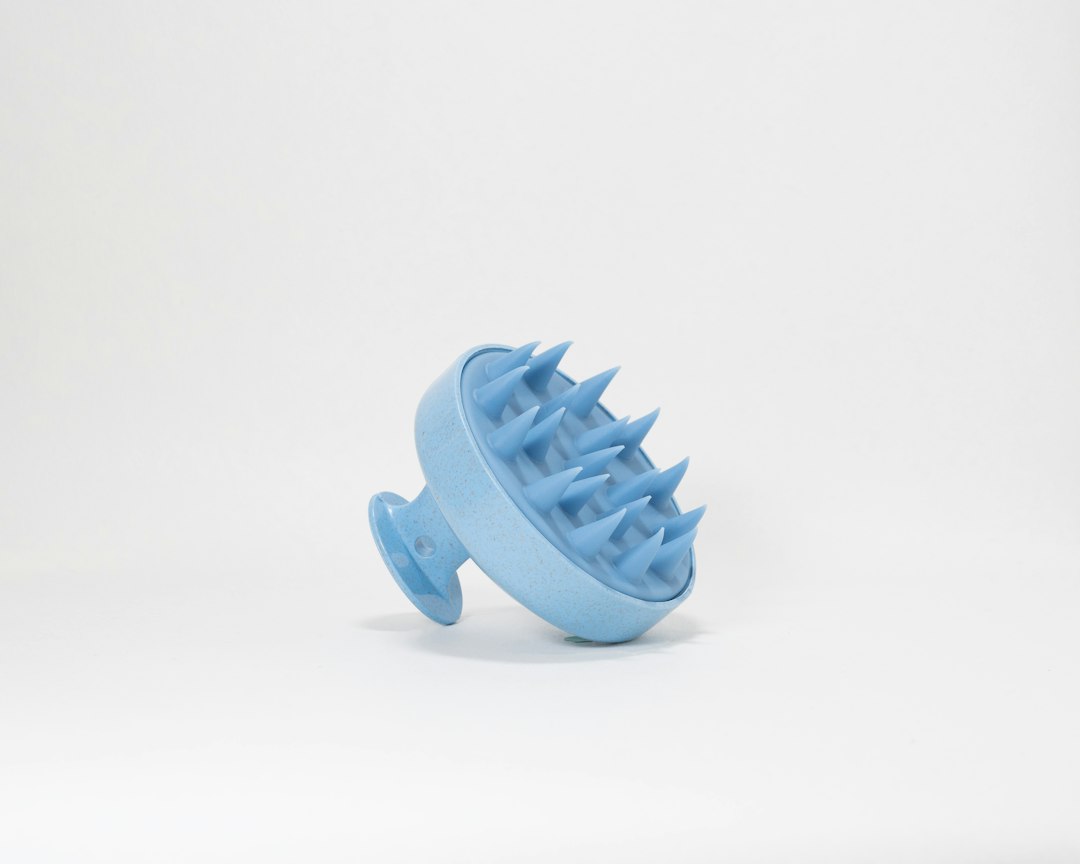
These accessories may make washing more comfortable for some people, but there isn’t strong evidence that an ordinary silicone scalp brush itself treats hair loss. Avoid rubbing an irritated scalp hard or using a tool over broken skin. If the product causes discomfort, stop.
Five habits worth more than a new miracle bottle
- Find a gentle, repeatable wash schedule.
- Avoid chronic tight hairstyles and rough detangling.
- Use less heat or lower temperatures where practical.
- Keep an eye on changes in shedding or scalp symptoms.
- Choose products because they answer a particular need—not because the marketing promises instant regrowth.
How to evaluate products in Mary’s Picks
The Mary’s Picks directory includes hair and scalp products. Before choosing one, check its current ingredient list, intended use, possible irritants and manufacturer’s directions. If your main concern is true hair loss, start by finding the reason rather than purchasing an unverified regrowth claim.
Two hair-related listings in Mary’s CURATED directory
I would start with a comfortable wash-day routine. If you’re considering something extra, these exact listings from Mary’s Picks are useful to compare—just be clear about what each one is and isn’t designed to do.
EternalTW Hair Growth Serum
Eternal describes this as a scalp-applied peptide and botanical serum. Its product page gives application directions, but its growth timeline and new-hair claims are manufacturer marketing—not proof it will reverse thinning. Check ingredients, scalp tolerance and current directions.
View the product on CURATEDYOUNIQUE DAILY·YOU Hair, Skin & Nails Gummies
These gummies include nutrients such as biotin, selenium and zinc. They are not a routine treatment for unexplained shedding, and more vitamins aren’t always better. Review the Supplement Facts and your other supplements with a clinician; biotin can affect certain blood tests.
View the product on CURATEDEvidence check: A cosmetic scalp serum is not the same as an approved treatment for a diagnosed cause of hair loss. The American Academy of Dermatology cautions that supplements often fail to address the underlying reason for hair loss, and excess nutrients can make shedding worse. The FDA also warns that biotin in supplements can interfere with certain laboratory tests. Mention your supplements before medical testing, and discuss pregnancy or breastfeeding with your care team before starting a new product.
Affiliate disclosure: Mary may receive a commission from qualifying CURATED purchases. The products above are shopping options from her catalog, not a personal efficacy claim or proof she has independently tested them. Prices, available variants, stock and ingredient lists can change. Browse the rest of Mary’s CURATED Hair collection.
Brand video, not a tutorial: Younique has a 40-second official introduction to its gummies. It is promotional footage, not independent evidence of regrowth or a recommended supplement regimen.
Hair and scalp care questions
How often should I wash my hair?
Follow your scalp and texture rather than somebody else's calendar. An oily scalp and straight hair may benefit from frequent washing; dry, curly, coily or thick hair may need it less often. According to the AAD's healthy-hair tips, the right frequency depends on when hair becomes dirty or oily. Persistent itching or flakes deserve attention rather than weeks of dry shampoo.
Can hair oil or a scalp serum make hair grow faster?
Oils and cosmetic serums can help some people with the feel and manageability of their hair or scalp, but a shinier strand doesn’t establish regrowth from its follicle. If your concern is actual thinning, ask a dermatologist about causes and options with clinical evidence before purchasing a growth promise.
Does more hair in my brush always mean hair loss?
No. Shedding varies, but a sudden increase, patches or persistent scalp symptoms deserve evaluation. See the AAD hair-loss diagnosis and treatment guidance.
Should I change my routine during postpartum shedding?
Many new mothers notice extra shedding a few months after birth. The AAD explains that this temporary shedding often peaks around four months postpartum and that most women regain their usual fullness by their baby’s first birthday. Be gentle with fragile strands and consult a clinician if hair doesn’t recover, you notice patches or you have other symptoms. The Pregnancy & Postpartum library has more of Mary’s original motherhood resources; don’t treat a beauty supplement as a substitute for a medical assessment.
Takeaway: a realistic routine and an accurate understanding of your hair’s needs go further than dramatic product promises. Hair care should feel like taking care of yourself, not taking another exam.
Let the routine lead the shopping.
Choose according to your hair and scalp needs, directions and sensitivity—not blanket growth promises.
Ready to browse? Visit Mary’s Picks to see current options. Check ingredients, instructions and availability before buying; recommendations are not claims of personal testing.
More to explore: The Minute With Mary library · Mascara Made Easy · Pregnancy & Postpartum