
THE EVERYDAY COMPLEXION SERIES
How to fix cakey foundation without starting over
You got ready, looked in the mirror, and—well. The foundation is wearing you. Before you take everything off, try a small, gentle reset.
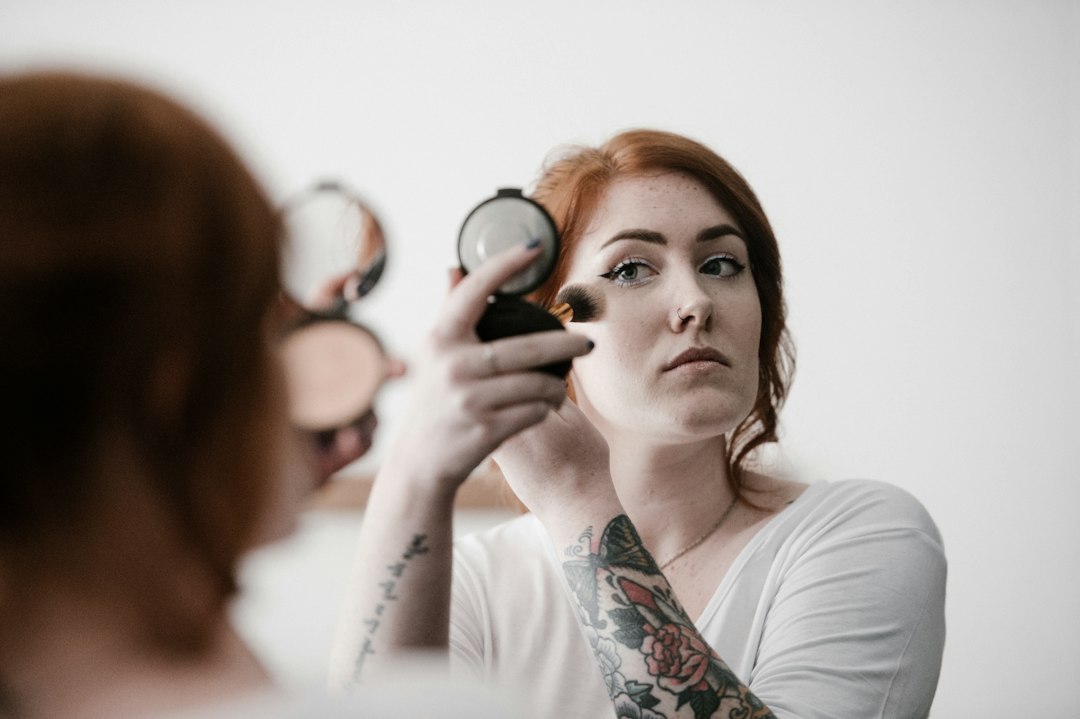
The short fix: Stop adding foundation and powder. Identify whether the problem is buildup, dryness or product breaking apart. Then gently soften or remove only the affected area. You may be able to save most of your makeup with a clean sponge, a little controlled blending and a targeted reapplication.
First, what does “cakey” actually mean?
People use the word for several different things: a powdery film, a thick-looking base, makeup settling into lines, or dry bits that seem to grab every extra layer. Those don’t all have the same solution. Before grabbing a setting spray or piling on moisturizer, take a closer look in natural light.
Is the foundation simply too thick? Is there loose powder sitting on top? Is the texture coming from flaky skin? Or is the product rolling into tiny pieces when you rub it—often called pilling? Your next step depends on which one you see.
Five ways to rescue the makeup you already have on
- Put down the powder. If the area looks dry and chalky, more setting powder is unlikely to make it look less powdery. Leave it alone for a moment.
- Press, don’t scrub. Use a clean, slightly damp makeup sponge to gently press over an overly heavy area. The goal is to soften visible texture without shifting everything around.
- Blend the edges. A clean brush or sponge can reduce obvious lines where foundation has built up around the nose, chin or jaw.
- Remove just the stubborn patch. When a small area is flaking or pilling badly, carefully lifting that makeup and starting again there can be better than fighting it with more product.
- Reapply a whisper, not another coat. Give the skin a moment, then use a tiny amount of a compatible foundation or concealer on that spot only.
What about setting spray?
A spray may soften the look of some powder-heavy makeup, but it won’t repair every texture issue. Some formulas can add shine or disturb the base. If you’ve never used that spray with this foundation, test a small area first rather than spraying your whole face out of frustration.
If the cakiness is around your nose or mouth
Those areas move a lot and often collect excess makeup. Gently press away the buildup first. Then consider applying less there next time, especially if the rest of your face looks fine. It is completely okay to wear different amounts of coverage on different parts of your face.
If the foundation is clinging to flaky skin
That’s a different problem from simply using too much product. Be gentle with irritated or visibly flaky areas, and don’t aggressively exfoliate them right before makeup. Our existing Foundation Clinging to Dry Patches guide has a fuller explanation of how skincare prep and product texture can contribute.
How to prevent it tomorrow
Use fewer layers and give each one time to settle. Try one small amount of foundation first, then add coverage only where you want it. Keep your tools clean and check whether a heavy primer, thick moisturizer or incompatible formula combination is creating the problem. If the skin itself is uncomfortable, prioritize skincare and consider skipping foundation there until it settles.
For the entire beginner routine, see the Foundation & Complexion guide. Start with less foundation next time and build only where you want more coverage.
Frequently asked questions
Can I fix cakey makeup without washing my face?
Often you can improve a small area, especially if the problem is simply too much foundation or powder. If the product is pilling or the skin is irritated, carefully removing and redoing the affected patch may work better.
Will more moisturizer fix cakey foundation?
Not always. Applying moisturizer on top of makeup can disturb the base or cause pilling, depending on the products. If you’re experimenting, test a very small area first.
Should I add more setting powder?
Usually not when the issue is visible dryness or a powdery finish. Add powder only when you’re actually trying to manage shine in a particular area.
Want a fresh start for tomorrow? Follow the simple steps in our Foundation Makeup for Beginners hub. It includes shade and finish advice, plus links to Mary’s original complexion-related tutorials.
Disclosure: Some links may earn Minute With Mary a commission. This educational guide does not claim Mary personally tested every product or technique discussed.
