

Trying to figure out whether you need homemade padsicles or one of those postpartum ice packs? You’re certainly not the first person to stand in the baby aisle wondering how much equipment one recovery really requires.
Both are ways to bring cooling comfort to a sore perineal area after a vaginal birth. Homemade padsicles are usually sanitary pads chilled or frozen at home, sometimes with added ingredients. Postpartum ice packs are ready-made cold products or reusable cold gel packs. Neither has been established as the universally “better” choice, and a more complicated DIY recipe isn’t automatically safer or more effective. If you’re recovering from a tear or stitches, check with your maternity care team before choosing.
For a long time, Mary’s original padsicles tutorial was one of the most popular stories on Minute With Mary. She documented making her own batch in 2013, complete with photos, a little Pinterest enthusiasm, and the kind of project that makes a freezer look very different from its usual collection of frozen waffles.
Her experience is worth keeping. So is knowing which parts are historical and which comfort measures have support from current medical guidance. Here’s the difference, without the unnecessary shopping panic.
What actually makes a padsicle different from an ice pack?
A padsicle generally starts as an absorbent sanitary pad. In DIY tutorials, it may be dampened with water or combined with ingredients such as witch hazel or aloe before chilling. The result is both a pad and a cold item—although what you add matters, especially against tender or healing skin.
A postpartum ice pack is a product intended to deliver cold therapy. Some are single-use instant cold packs; others are reusable gel packs. Certain postpartum designs also absorb bleeding, while others are meant to be used with a separate absorbent pad. Always read the actual product instructions rather than assuming every pack does both jobs.
| What matters | Homemade padsicle | Postpartum ice pack |
|---|---|---|
| Preparation | Made ahead, then refrigerated or frozen. | Often ready to activate or chill; follow the packaging. |
| Ingredients | Depends on the method. Some recipes add products that may irritate sensitive tissue. | Cooling components are contained within the product; check materials and warnings. |
| Absorbency | Starts with a sanitary pad, although added liquid changes how it behaves. | Varies by product: some are absorbent, some need a separate pad. |
| Convenience | Takes planning, freezer space and some cleanup. | May require less preparation, but needs to be purchased or kept cold. |
| Safety consideration | Ingredient choice, cleanliness and avoiding overly cold direct contact. | Correct placement, barrier where needed and following time limits. |
| Better recovery? | No reliable basis to promise that either one speeds healing. Choose based on your care team’s guidance and what is comfortable for you. | |
What does medical guidance say about cold therapy after birth?
The American College of Obstetricians and Gynecologists (ACOG) suggests an ice or cold gel pack on the perineal area for 10–20 minutes at a time to help with discomfort. It also describes witch-hazel pads as a separate soothing option.
Mayo Clinic likewise discusses an ice pack or a chilled witch-hazel pad for soreness after vaginal delivery. And the University College London Hospitals NHS guidance describes a simpler cooling method: a sanitary pad covered with water and chilled in the fridge or freezer, or an ice pack wrapped in a towel, used briefly.
There is an important limitation. A Cochrane evidence review found that studies of cooling for perineal pain had limited, very low-certainty evidence. Cooling may offer comfort; it is not proof of faster tissue healing or a reason to ignore worsening symptoms.
Do not place exposed ice directly against your skin or leave a frozen product in place continuously. Use a clean cloth or another barrier when the cold-pack instructions call for it, follow the short application intervals from your care team, and stop if the area becomes painfully cold or irritated. With stitches, significant tearing, or unusual symptoms, individualized instructions matter more than anything on Pinterest.
Which one should you choose?
If you want something straightforward
A properly used postpartum cold pack may be the easier starting point. You can avoid a DIY mixing project, and some maternity units provide appropriate cold packs. Ask what your hospital already supplies before buying a whole drawer’s worth.
If you like preparing ahead
A plain chilled pad is another possibility to discuss with your care team. Some NHS guidance describes using water and a sanitary pad rather than a mixture of oils and gels. That is distinct from assuming a homemade aloe-and-essential-oil recipe has been medically validated.
If your hospital recommends witch-hazel pads
Follow its guidance on the type and use. A pre-prepared witch-hazel pad is different from pouring a concentrated or scented product onto a pad and freezing it. The product formulation and instructions matter.
If you’re dealing with tears, stitches or a different recovery
Ask your obstetrician, midwife or nurse what kind of cooling is suitable for you and how long to use it. A recovery after a cesarean birth, for example, has its own concerns; perineal cooling advice should not be treated as a universal postpartum plan.
What about aloe vera, witch hazel and essential oils?
Mary’s 2013 tutorial documents the ingredients she personally used. It’s an authentic piece of the archive, and it’s been updated to distinguish her experience from current medical guidance.
But “natural” is not a guarantee that something is gentle on healing skin. ACOG’s advice about witch-hazel pads does not establish that every liquid witch-hazel product, aloe gel or essential oil is suitable for use on the perineum. For freshly healing skin, avoid experimenting with ingredient blends unless your care team has cleared them.
Frequently asked questions
When can I use postpartum ice packs?
Cold packs are commonly used in the early recovery period after a vaginal birth, but timing depends on your delivery and any injuries. Follow your discharge instructions. ACOG describes short applications of 10–20 minutes, not wearing a frozen pad all day.
Can I sleep in a padsicle or ice pack?
A frozen product should not be left in contact with sensitive skin for hours while you sleep. Use it in the brief intervals recommended by your maternity team and switch to an appropriate regular absorbent pad afterward.
Do I need both padsicles and ice packs?
Probably not as a default shopping requirement. Ask what the hospital provides and which option your team recommends. You can make a reasonable plan without stocking every product you’ve seen on social media.
Will cooling help me heal faster?
Cooling may help with temporary discomfort, but the evidence isn’t strong enough to promise accelerated healing. If pain gets worse, you develop a fever, or something seems wrong, contact your healthcare professional rather than trying another home remedy.
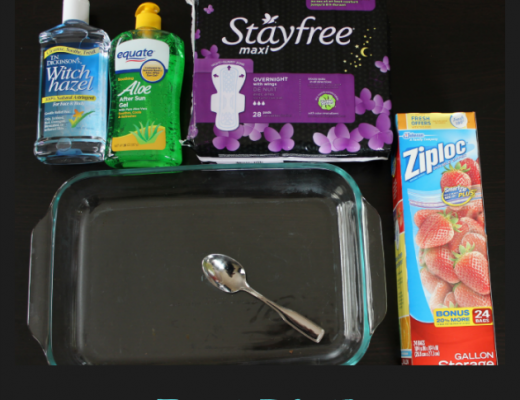
From Mary’s original archive
Want to see how Mary made hers?
Her step-by-step photos and the original family story are still here, with updated safety context to help you decide what makes sense today.
A little more help for the hospital-to-home transition
If you are still in the planning stage, Mary’s maternity hospital bag checklist and hospital bag guide for partners offer firsthand ideas from her family’s experiences. Both are older articles, so confirm your hospital’s current policies and supplies. Browse the Pregnancy & Postpartum guide for more of Mary’s archive.
Sources & review notes
Editorial research reviewed November 17, 2026. This guide is educational; it is not individualized medical advice and does not claim that Mary has personally tested the products compared.
